Skip to content

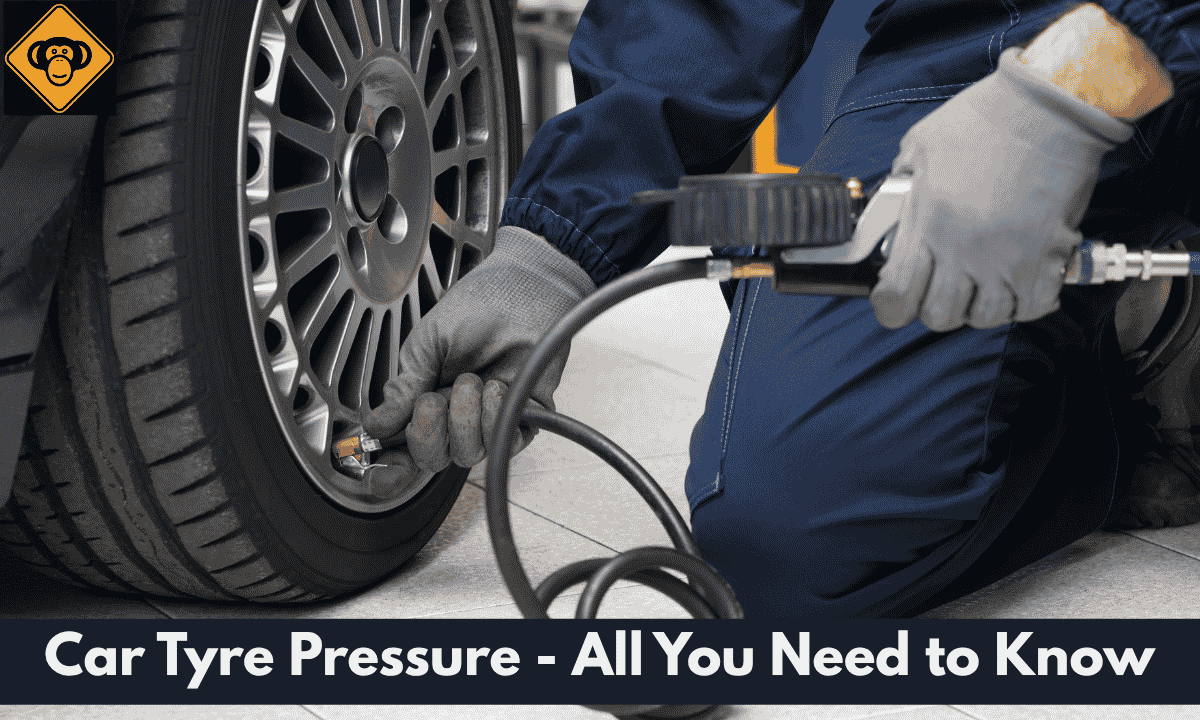
Car tyre pressure plays a crucial role in vehicle safety, handling and running costs. It affects braking, fuel use and tyre wear. Yet many of us don’t give it a moment's thought. Here's everything you need to know about tyre pressure.
Key Takeaways
- Tyre pressure is critical for your safety
- Low pressure increases fuel use
- High pressure reduces grip & handling
- Incorrect pressure reduces tyre life
- Always check pressure when tyres are cold
Correct Tyre Pressure & Your Safety
Correct tyre pressure is critical for safe driving. It helps your tyres maintain optimal contact with the road. This gives your car better grip, steering and stability. Low pressure affects the way your car handles. The steering can feel heavier. And, your car can feel less stable when cornering.

Low tyre pressure can also cause the tyres to flex more than they should. This creates extra heat inside the tyre. In extreme cases, this can increase the risk of tyre damage or failure.
Tyres with too much pressure can cause problems too. Overinflated tyres can have less contact with the road. This can reduce grip, particularly in wet conditions.
Correct tyre pressure also helps your car brake as it should. It can improve control during sudden braking or when making an emergency manoeuvre. Checking your tyre pressure regularly is one of the simplest ways to improve your safety on the road.
What Should Your Tyre Pressure Be?
The correct tyre pressure varies for every vehicle. It depends on the make and model of your car, the tyre size and how much weight the vehicle is carrying. You can usually find the recommended pressure in your vehicle handbook. Many cars also have a tyre pressure label inside the driver's door. It can also be found inside the fuel filler flap.
The recommended pressure is usually shown in PSI, bar or both. These are just two different units of measurement. You can use whichever you prefer. Just make sure you use the correct figure for your car.
Sometimes cars have different recommended pressures for the front and rear tyres. There may also be a higher recommended pressure when the car is carrying several passengers or a heavy load. Begin by taking a moment to familiarise yourself with the correct tyre pressure for your vehicle. Then, put a note on your phone for easy access.
If you are unsure about the correct pressure, check your vehicle handbook or ask a professional.
How to Check & Adjust Tyre Pressure
Checking your tyre pressure is simple. Most petrol stations have an air machine that can check and adjust tyre pressure. Or, even better, you can buy a small pressure gauge for use at home. Don’t worry, they are incredibly easy to use.

It is best to check tyre pressure when the tyres are cold. Driving heats the tyres and can increase the pressure reading.
First, remove the valve cap from the tyre. Place the pressure gauge firmly over the valve. The gauge will show the current pressure. Then, compare the reading with the recommended pressure for your vehicle.
If the pressure is too low, add air until it reaches the correct level. If it is too high, release a small amount of air and check the pressure again. Replace the valve cap when you have finished.
Remember to check all four tyres. And, do not forget the spare tyre if your car has one.
How to Add Air
You can add air using a tyre inflator. These are often found in garages or filling station forecourts. You can also purchase them in automotive stores. They are easy to use, just follow the instructions for your specific device.
How to Release Air
You can release air from your tyre using a pressure gauge or the back of some valve caps. Gently press the valve until you hear air escaping. Release a little air at a time and check the pressure again with a pressure gauge. Continue until you have reached the recommended pressure reading.
READ NEXT
How Tyre Pressure Affects Fuel Efficiency & Performance
Tyre pressure can also affect how efficiently your car consumes fuel. When tyres are under inflated, more of the tyre can come into contact with the road. This increases rolling resistance. Your engine then has to work harder to move the car.
This means you increase fuel consumption. You burn more fuel to travel the same journey, compared to properly inflated tyres. The difference may seem small on a single journey, but it can add up over time.
Correct tyre pressure can also improve the way your car drives. Properly inflated tyres can help the vehicle feel more stable and responsive. Incorrect pressure affects steering and cornering. It can also change the way the car behaves when braking. Keeping your tyres at the recommended pressure is a simple way to save some money and keep your car running efficiently.
Seasonal Changes: How Seasons Affect Tyre Pressure
Did you know, seasons and weather changes affect your tyre pressure? For every 5°C drop in temperature, your pressure drops by about 1 PSI. This means, a perfectly good tyre pressure in the height of summer is equivalent to under inflated tyres come December.

That explains why your warning light pops up on the first cold morning of winter. Summer does the opposite. The air inside your tyres expands. You could end up over-inflated. And, this reduces grip on hot roads. A quick seasonal check takes two minutes. Always check your tyre pressure as the seasons and temperatures change.
Tyre Pressure & Tyre Longevity
Tyre pressure plays a key role in the lifespan of your tyre. It’s true. Incorrect tyre pressure causes tyres to wear more quickly. Underinflated tyres put more pressure on the outer edges of the tread. This leads to the edges wearing out faster.
And, overinflated tyres can have the opposite effect. The centre of the tread may wear more quickly than the outer areas. Uneven wear means your tyres need to be replaced sooner than expected. This will hit you in the pocket.
Correct tyre pressure helps the tread wear more evenly. This helps your tyres last longer and maintain good performance throughout their life cycle. Regular pressure checks will help you spot problems early. And, make adjustments where necessary.
Factors That Affect Tyre Pressure
Tyre pressure does not always stay the same. Several factors can cause it to change.
Temperature
Cold weather can reduce tyre pressure. Hot weather can increase it. This is one reason why regular checks are important throughout the year. More on this below.
Heavy Loads
Carrying several passengers or a large load puts extra weight on the tyres. Your vehicle may have a higher recommended pressure when carrying a heavy load. Check the information provided by the vehicle manufacturer.
Long Journeys
Extended driving can heat the tyres and increase the pressure reading. Always check your tyre pressure when the tyres are cold.
Slow Punctures
A small puncture can cause a tyre to lose air gradually. You may not notice a problem straight away. If one tyre regularly loses pressure, have it inspected.
Air Loss Over Time
All tyres naturally lose a small amount of air over time. Regular checks help keep the pressure at the correct level.
Tyre Pressure Warning Light
You’ve probably seen your tyre pressure warning light on your dash already. It looks like a horseshoe with an exclamation mark in the middle. Some people call it a flat tyre symbol. It’s usually yellow or orange. If it comes on while you’re driving, don’t panic. Just slow down and pull over when it’s safe. Then check your tyre pressure as soon as you can.

But what if the light stays on after you pump up your tyres? Don’t ignore it. You might have a slow puncture or even need to reset the system. If it’s a system fault, check your car’s handbook. If it still won’t go off, you most likely have a slow puncture. Either way, get it checked by a professional.